
Search Our Site
Quick Search:
Sustainability
Built to last. Built to matter.
The most responsible bag is the one you never have to replace. That's where we start — and it's only the beginning.
Our commitment
The most responsible bag is the one you never replace.
We don't think sustainability starts with a logo or a label. It starts with a bag that survives a decade of commutes, flights and downpours — so it never becomes this year's landfill.
From there, we work the details: recycled shells, plastic-free packaging, and a repair-first policy. We'd rather show measured progress than make a perfect promise.

62%
Recycled fabric in core range
0
Single-use plastic in packaging
10k
Zipper cycles tested per bag
1 yr
Warranty, repair-first
How we think about it
Four principles, in order
Durability before materials, materials before offsets. We start where the impact is largest.
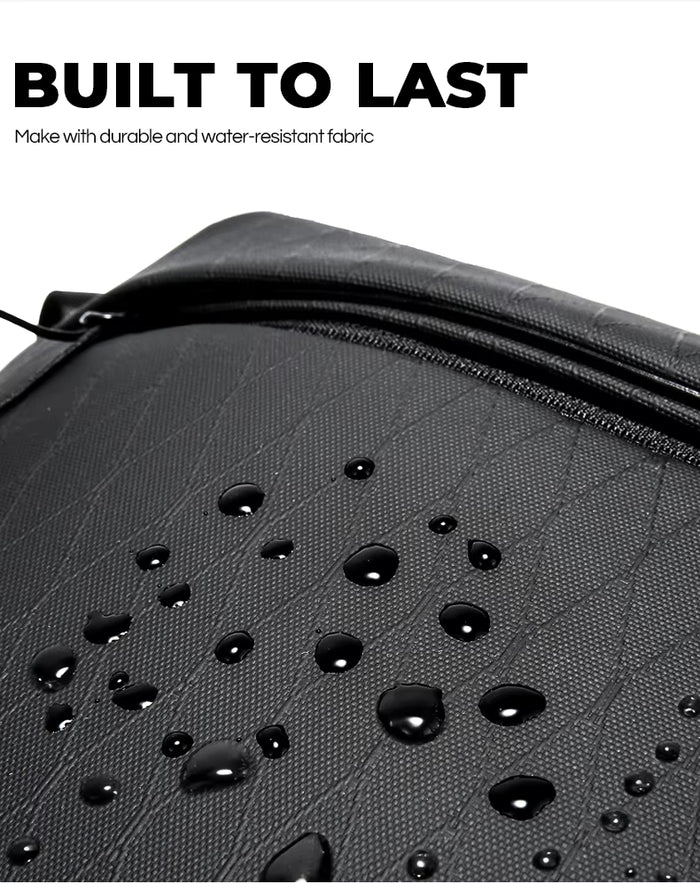
Durability first
The lowest-impact bag is the one you never replace. We over-build, so you buy once.
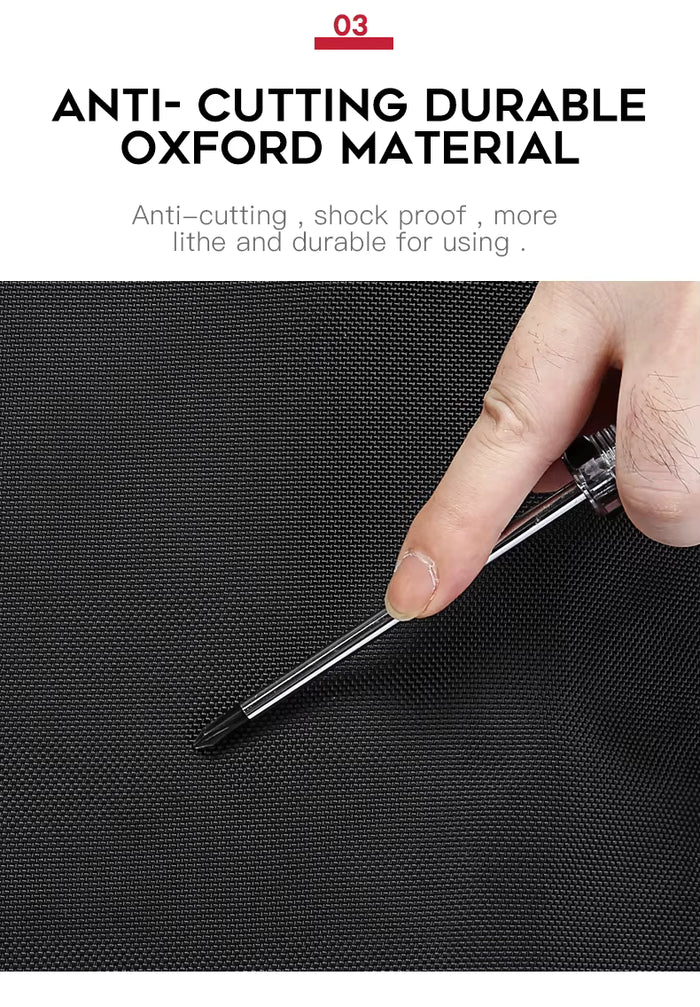
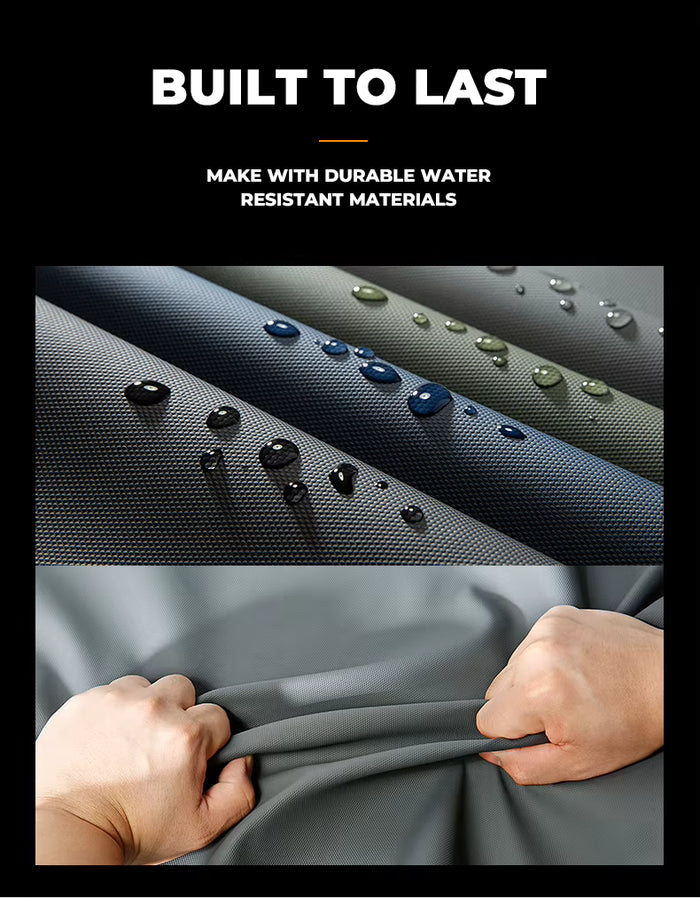
Lower-impact materials
Recycled Oxford fabric and water-based coatings, expanding across the range each season.
Honest packaging
Plastic-free, right-sized boxes and recycled fill. No oversized voids, no shrink wrap.
Repair, don't replace
A 1-year warranty and a repair-first policy keep bags in use and out of landfill.
62%
recycled fabric in the core range
Materials
Recycled Oxford, where it counts.
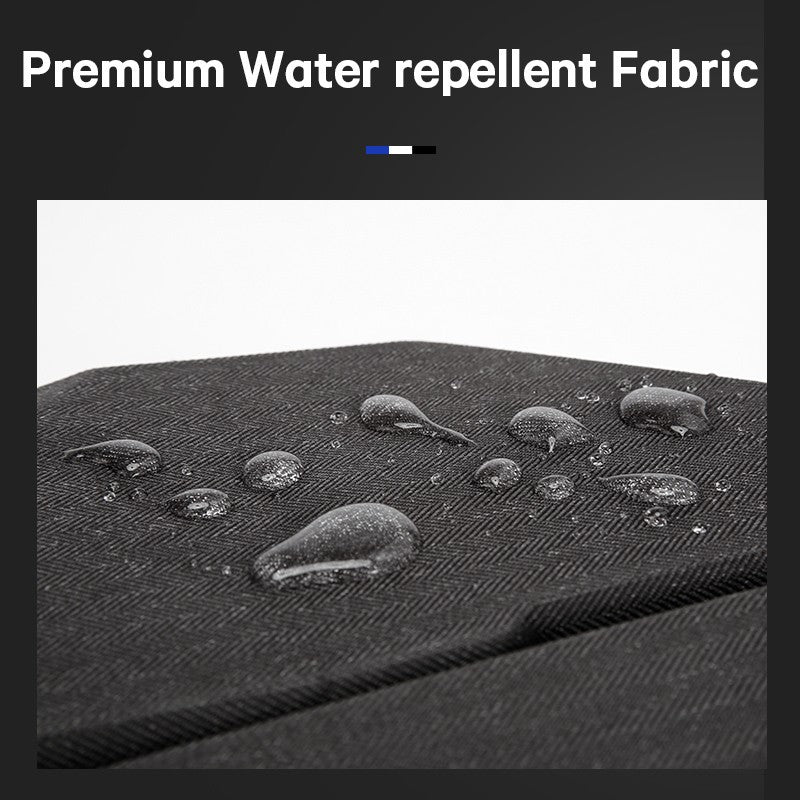
Our core shells are moving to recycled 900D Oxford spun from post-consumer plastic — the same abrasion resistance and water repellency, with a fraction of the virgin input. We disclose the recycled percentage on every product page as the rollout continues.
0
single-use plastic in packaging
Packaging
Less box. No plastic.
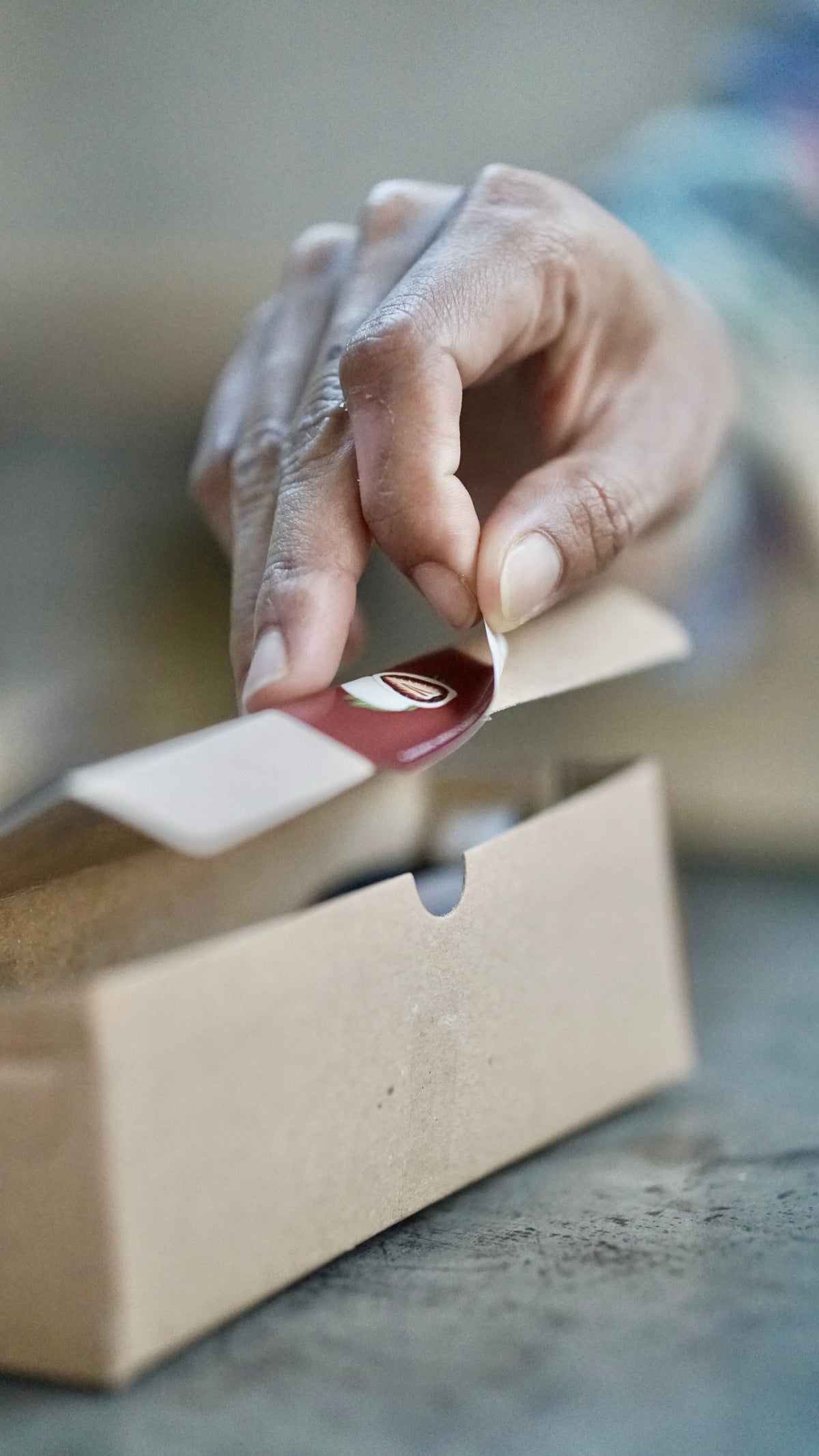
Every bag ships in a right-sized, recycled-board box with paper fill — no shrink wrap, no foam, no oversized voids. Smaller parcels mean lower shipping emissions, and everything in the box is kerbside-recyclable.
The roadmap
Where we are, and where we're headed
Targets we're working toward — published so you can hold us to them.
2024
Recycled core shells
Began the switch to recycled 900D Oxford across best-selling backpacks.
2025
Plastic-free packaging
Removed single-use plastic from every parcel that leaves our warehouse.
2026
Repair network
Expanding regional repair partners so fixes ship shorter distances.
2027
Full material disclosure
Recycled content and origin listed on every product page, audited annually.
Repair-first
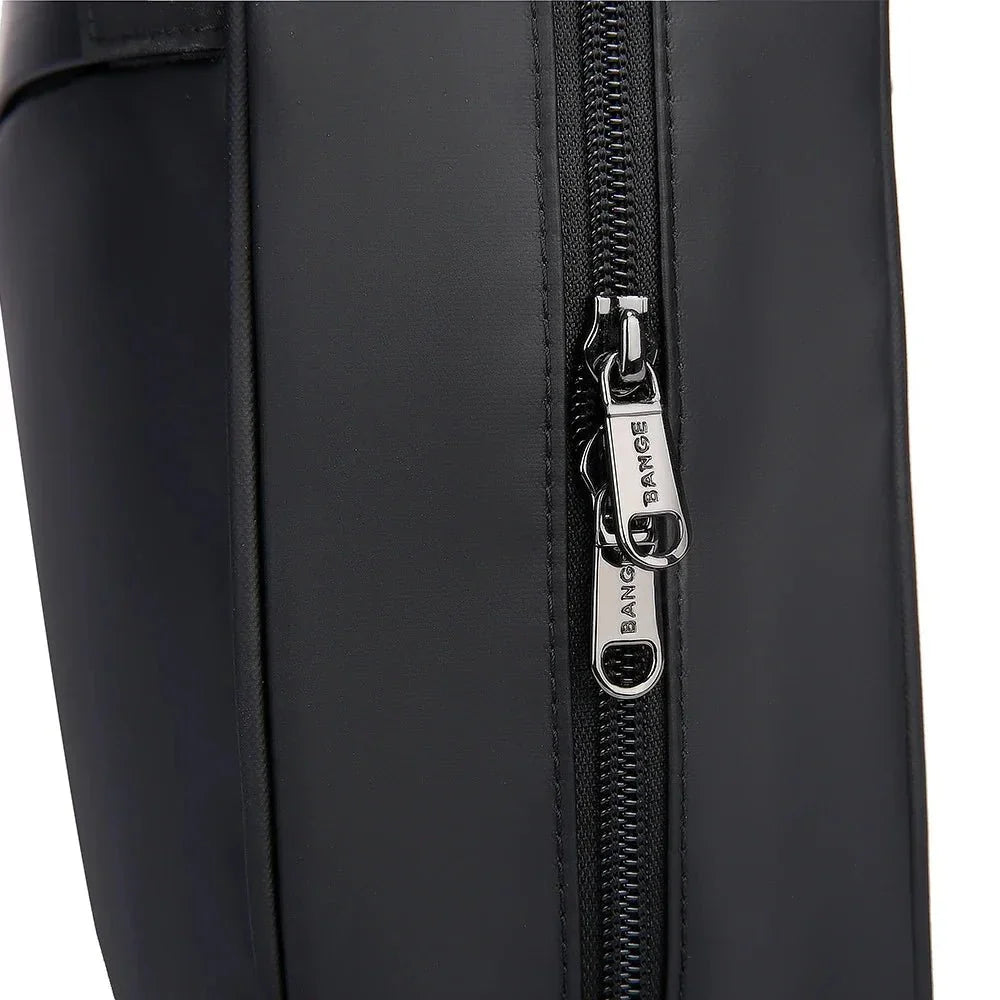
A broken zipper shouldn't end a bag's life.
If something fails within warranty, we fix or replace it. Out of warranty, we'll still point you to a repair before a replacement — because keeping a bag in use is the most sustainable thing either of us can do.
1-year warranty on materials and workmanship
Spare buckles and straps sent free within warranty
Repair guides for common wear-and-tear fixes
In plain terms
We're not done — and we won't pretend otherwise.
We don't claim to be carbon-neutral, and we don't buy our way out of impact with offsets. Recycled materials aren't yet in every product, long-haul freight still carries a footprint, and some components remain hard to source responsibly. We publish what we've changed, what we're working on, and what we haven't solved. Progress over perfection, stated honestly.
Buy one bag. Carry it for years.
 15%OFF
Join the family
Get 15% off your first carry.
Sign up for early drops, styling notes and the occasional very-good deal. No noise.