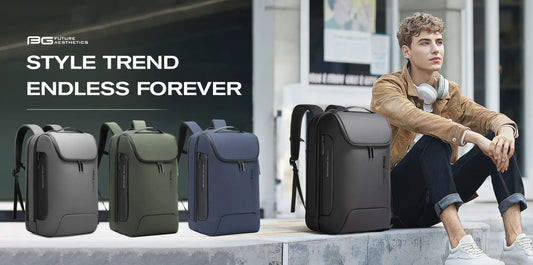
Travel exposes you to risks that everyday life never presents. Crowded markets in Southeast Asia. Bustling train stations in Europe. Urban streets in major cities worldwide. These environments create opportunities for pickpockets, bag slashers, and opportunistic thieves who target distracted travelers carrying expensive gear.
The statistics are sobering. Travel theft isn't rare—it's a systematic problem affecting millions of travelers annually. Stolen passports. Missing laptops. Lost credit cards. Emptied wallets. These aren't isolated incidents; they're preventable crimes that happen when travelers use inadequate backpacks.
A standard backpack offers minimal security. External pockets invite pickpocketing. Weak zippers yield to bag slashing. Obvious compartments signal valuable contents. Your backpack becomes a liability rather than a solution.
Anti-theft backpacks flip this equation. Strategic design, security features, and thoughtful organization transform your backpack into a protective barrier between you and theft. This comprehensive guide reveals how anti-theft technology works, which features matter most, and how to choose the right secure backpack for your travel style and destinations.
Understanding Travel Theft: Why Anti-Theft Backpacks Matter
Before investing in security features, understanding actual theft risks transforms how you evaluate anti-theft claims.
Common Travel Theft Methods
Pickpocketing: The most common method. Thieves target external pockets, side compartments, and easily accessible items. A quick hand movement removes your phone, wallet, or camera without you noticing until much later.
Popular locations: Crowded markets, public transportation, tourist attractions, busy streets.
Bag slashing: Thieves use sharp objects to cut backpack fabric, creating openings to access contents. Standard backpack materials offer no resistance to this method.
Popular locations: Crowded areas, bus stops, crowded transportation hubs.
Opportunistic theft: Thieves watch for unattended backpacks or obvious valuables. A backpack left on a café table becomes an easy target. Open compartments signal valuable contents.
Popular locations: Cafés, restaurants, hostels, beaches, transportation stations.
Overnight theft: Hostel and hotel room theft from inadequately secured luggage. Thieves target rooms with poor locks or backpacks left unattended.
Popular locations: Budget accommodations, shared dormitory rooms, poorly supervised areas.
Organized theft rings: Professional criminals work in coordinated teams, using distraction techniques while accomplices steal from your bag. These organized operations target high-value items and tourist areas.
Popular locations: Major tourist attractions, train stations, airports.
Your Vulnerability Assessment
Consider your travel style and destinations. Are you visiting high-theft urban areas or safe rural regions? Do you frequently use public transportation or primarily travel by car? Will you work from cafés or stay in hostels? Your vulnerability determines necessary security features.
A traveler visiting major European cities faces different theft risks than someone hiking remote trails. Anti-theft priorities vary accordingly.
Core Anti-Theft Features Explained
Premium anti-theft backpacks combine multiple security layers. Understanding these features helps you distinguish genuine security from marketing hype.
Hidden and Concealed Compartments
The foundation of anti-theft design. Hidden pockets keep valuables invisible and inaccessible. Premium backpacks include strategically placed compartments:
Back panel pockets: Positioned against your body, these pockets remain inaccessible while wearing the backpack. Thieves cannot reach items pressed against your back.
Hidden zippered compartments: Compartments concealed beneath main storage or integrated into structural seams. These require deliberate unpacking to access, preventing quick theft.
Pickpocket-proof front pockets: External pockets without obvious zippers or hidden beneath reinforced flaps. These appear empty, discouraging thieves.
Interior document pockets: Dedicated compartments for passports, travel documents, and credit cards kept safely inside main storage, not in exterior pockets.
Strategic placement matters more than quantity. One well-designed hidden pocket beats five obvious external compartments.
RFID-Blocking Technology
RFID (Radio Frequency Identification) scanning is invisible but devastating. Thieves use portable RFID scanners to read credit card data, passport information, and identification documents without physically stealing them.
RFID-blocking technology uses metal-lined compartments that prevent scanning signals from reaching sensitive cards and documents. This protection is essential for modern travelers carrying multiple credit cards, debit cards, and RFID-enabled passports.
What gets protected: Credit cards, debit cards, identification cards, passports with RFID chips, driver's licenses, travel documents.
How it works: Metal lining creates a Faraday cage preventing radio signals from penetrating the compartment. Information stored on RFID chips becomes unreadable to scanning devices.
Effectiveness: RFID-blocking compartments provide reliable protection against scanning theft. Premium backpacks dedicate entire sections to RFID protection rather than adding small RFID pockets as afterthoughts.
Slash-Resistant Materials
Standard backpack materials yield easily to sharp objects. Thieves use knife blades, razors, or glass shards to cut fabric and create access points.
Anti-theft backpacks use materials resistant to cutting and slashing:
Kevlar-reinforced fabrics: Bulletproof-grade materials incorporated into high-risk areas like bottom panels and side sections. These materials resist cutting while remaining lightweight and flexible.
Aramid-blended polyester: Synthetic fibers providing exceptional tear and cut resistance. More common than Kevlar, offering practical slash protection at accessible price points.
Reinforced stitching in vulnerable areas: Triple-stitched seams and reinforced panels in locations most susceptible to slashing attacks.
Full slash-resistant construction adds significant cost and weight. Premium backpacks reinforce only critical areas—bottom panels, side sections, and back areas—providing practical protection without excessive material.
Lockable Zipper Systems
Standard zippers offer no security. Thieves manipulate zippers with ease, opening compartments without obvious damage. Anti-theft backpacks use security zippers preventing unauthorized opening:
Lockable zippers: Zipper sliders feature locking mechanisms compatible with small padlocks. This prevents zippers from opening even if thieves access them.
Security zippers with locking tabs: Built-in locking features preventing zippers from sliding without unlocking the mechanism first.
Reinforced zipper pulls: Robust zipper pulls prevent snapping or bypassing. Thieves cannot break zippers through force.
Multiple zipper security: Critical compartments feature redundant zipper systems. Even if one zipper is compromised, backup security remains.
For maximum security, combine lockable zippers with small TSA-approved padlocks. This multi-layer approach prevents quick theft while remaining practical for frequent packing and unpacking.
Cut-Resistant Straps and Handles
Thieves slash shoulder straps and handles to steal backpacks from your grasp or while you're wearing them. Anti-theft backpacks protect these vulnerable points:
Reinforced strap construction: Double-layered or triple-layered straps using cut-resistant materials. These straps resist slashing while remaining comfortable.
Internal strap anchoring: Straps routed through the backpack body, preventing cutting them from outside. Even if external layers are damaged, internal attachment remains secure.
Secured handle systems: Top handles anchor directly to the backpack frame, preventing snapping or severing through conventional cutting.
Redundant attachment points: Multiple connection points ensure the backpack remains secure even if one attachment is compromised.
Anti-Slash Backpanel Design
The back panel is a critical vulnerability. Thieves slash the area pressed against your back, creating openings to access compartments. You're unaware of cutting happening behind you.
Anti-theft backpacks protect back panels through:
Reinforced materials: Back panels constructed from slash-resistant fabrics or Kevlar-reinforced layers.
Hard backing materials: Rigid panels or plastic backing preventing easy slashing and providing visible damage if cutting is attempted.
Structural design: Curved or angled backs making slashing less effective. Flat panels are easier to cut than contoured surfaces.
Internal compartment positioning: Most valuable compartments positioned away from direct back-panel access, requiring breakthrough to multiple layers before reaching contents.
Types of Anti-Theft Backpacks for Different Travel Scenarios
Anti-theft design serves various travel purposes. Understanding which type matches your situation ensures appropriate security without unnecessary bulk.
Urban City Travel Anti-Theft Backpacks
City travel presents organized theft rings, pickpocketing, and opportunistic theft in crowded environments. Urban anti-theft backpacks prioritize street-smart design.
Key features: Hidden compartments, RFID blocking, lockable zippers, theft-deterrent appearance, professional aesthetics.
Size: 25-35L capacity balancing daily essentials with professional appearance.
Best for: Business travelers, city explorers, solo travelers visiting major metropolitan areas.
Emphasis: Accessible security without looking like a theft-proof fortress. Normal appearance prevents attracting attention while offering genuine protection.
Long-Term Travel Anti-Theft Backpacks
Extended travel (weeks or months) through diverse countries creates varied theft risks. Long-term anti-theft backpacks balance comprehensive security with practical daily usability.
Key features: Multiple hidden compartments, comprehensive RFID blocking, organizational pockets, expandable capacity, durable materials, waterproof sections.
Size: 40-55L capacity accommodating multi-week trips across climates and situations.
Best for: Gap-year travelers, backpackers, digital nomads, adventure travelers.
Emphasis: Comprehensive security across multiple theft methods while maintaining functionality for extended travel. These backpacks become your home away from home.
Adventure and Outdoor Anti-Theft Backpacks
Adventure travel combines theft risks in populated areas with environmental challenges in remote regions. Adventure anti-theft backpacks balance security with ruggedness.
Key features: RFID blocking, hidden compartments, slash-resistant materials, weather resistance, organizational pockets, durable construction.
Size: 45-60L capacity for extended wilderness trips and adventure tourism.
Best for: Hikers, climbers, safari travelers, adventurous explorers, mountaineers.
Emphasis: Durability and weather protection alongside security features. Environmental protection often outweighs aesthetic considerations.
Budget Travel Anti-Theft Backpacks
Budget travelers often visit higher-theft destinations while carrying limited valuables. Budget-conscious anti-theft backpacks provide essential security without premium pricing.
Key features: Hidden compartments, basic RFID blocking, lockable zippers, durable materials, practical organization.
Size: 35-50L capacity suitable for mixed travel scenarios.
Best for: Backpackers, students, budget-conscious travelers, hostel-based travelers.
Emphasis: Maximum security benefit per dollar. Essential features without luxury additions.
Hybrid Professional Anti-Theft Backpacks
Business professionals traveling between meetings, co-working spaces, and casual exploration need anti-theft backpacks maintaining professional aesthetics.
Key features: Hidden compartments, RFID blocking, professional design, laptop compartment, cable organization, theft-deterrent appearance.
Size: 25-40L capacity accommodating business essentials.
Best for: Business travelers, digital nomads, consultants, professionals combining work and leisure travel.
Emphasis: Professional appearance masking comprehensive security. These backpacks look professional in boardrooms while providing serious theft protection.
Common Anti-Theft Design Failures and How to Avoid Them
Not all anti-theft features are equally effective. Understanding design failures prevents wasting money on ineffective security theater.
The Problem with Excessive External Pockets
Many anti-theft backpacks add numerous external pockets claiming security through confusion. Multiple pockets suggest more options for thieves to target. Each external pocket is a potential theft point.
Better approach: Minimal external pockets. A single quick-access side pocket for items you actually need during travel. Everything valuable stored internally.
RFID Blocking Pockets That Are Too Small
Some backpacks include tiny RFID-blocking pockets designed for single cards. Real travelers carry multiple cards, passports, and documents requiring adequate space.
Better approach: Substantial RFID-blocking compartments holding passports, all credit cards, debit cards, and identification simultaneously. Space matters—cramped pockets encourage leaving cards in more convenient locations.
Fake Security Features Creating False Confidence
Some manufacturers add cosmetic security features (like fake lockable zippers or decorative RFID labels) creating false confidence without actual protection.
Better approach: Verify features through detailed specifications. Ask manufacturers for testing documentation. Check real-world reviews from travelers using backpacks in high-theft destinations.
Uncomfortable Security Design Preventing Regular Use
Overly complex anti-theft designs create friction in daily travel. If security features are inconvenient, travelers disable them or use alternative bags offering less security.
Better approach: Security design that integrates naturally into workflow. Features you use willingly because they enhance rather than complicate travel.
Poor Ergonomics Compensated by "Security"
Some manufacturers prioritize security appearance over comfort, creating backpacks uncomfortable for extended wear. No security feature justifies chronic pain or health issues.
Better approach: Security features integrated into ergonomic design. Comfortable, secure backpacks that you actually want to carry daily.
RFID Blocking: Technology and Effectiveness
RFID-blocking is frequently misunderstood. Understanding its actual protection and limitations informs purchasing decisions.
How RFID Technology Works
RFID chips embedded in credit cards, passports, and identification documents transmit information wirelessly. Thieves use portable readers detecting these signals from distance, reading your card data without physical contact or theft.
What information is vulnerable: Credit card numbers, expiration dates, cardholder names, passport data, identification information, frequent flyer numbers.
Scanning range: Most RFID readers work at 10-20 inches, though specialized readers extend to several feet.
Threat level: RFID skimming is real but uncommon compared to traditional theft methods. However, the threat increases in crowded areas and high-theft destinations.
How RFID Blocking Works
RFID-blocking compartments use metal-lined barriers creating Faraday cages. Radio signals cannot penetrate metal, making cards inside unreadable to scanning devices.
Effectiveness: Properly designed RFID-blocking compartments reliably prevent scanning. Metal lining must completely surround contents with no gaps.
Verification: You can test RFID-blocking by attempting to scan cards while in the compartment. No signal should be detected.
RFID-Blocking Reality Check
RFID-blocking is valuable but not primary threat protection. Traditional theft methods (pickpocketing, bag slashing, opportunistic theft) pose far greater risks. Prioritize hidden compartments and physical security over RFID-blocking alone.
Ideal approach: Combine RFID-blocking with hidden compartments. Store cards and documents in RFID-protected hidden pockets preventing both scanning and physical theft.
Evaluating Anti-Theft Claims: What to Look For
Anti-theft marketing uses impressive terminology without substantiating claims. Learning to evaluate genuine security prevents disappointment.
Request Specification Details
Legitimate security brands provide detailed specifications about materials, construction methods, and testing. Ask manufacturers:
Materials: What materials are used for slash resistance? What percentage Kevlar or equivalent? How thick are reinforced sections?
Construction: How are straps attached? How many stitches per inch in security seams? How are zippers installed and secured?
Testing: What testing protocols confirm slash resistance? How is RFID-blocking verified? What warranty covers security features?
Design: Can they explain why compartments are positioned where they are? How do hidden pockets prevent access?
Vague responses indicate superficial security design. Detailed answers suggest genuine engineering.
Examine Design Logic
Security features should reflect realistic theft methods. Ask yourself: Do these features prevent actual theft in real travel scenarios? Or are they security theater creating false confidence?
Good security design: Hidden back-panel pockets preventing pickpocketing while wearing the backpack. RFID-blocking for cards and documents. Lockable zippers preventing quick theft. Slash-resistant panels in vulnerable areas.
Bad security design: Numerous decorative pockets. Tiny RFID pockets designed for single cards. Fake lockable zippers. Aesthetic security features without functional protection.
Research Real-World Usage
Read detailed reviews from travelers using backpacks in high-theft destinations. Look for specific experiences:
Positive indicators: "Carried in Bangkok's crowded markets," "Protected valuables during European train travel," "Used in Rio's busy streets with confidence."
Negative indicators: "Had items stolen despite security features," "Felt vulnerable despite supposed protection," "Uncomfortable for daily use."
Real-world usage reveals whether security is practical and effective or merely theoretical.
Verify Warranty Coverage
Premium anti-theft brands back their claims with warranties covering theft loss or damage from theft attempts. Limited warranties or exclusions for theft indicate manufacturers lack confidence in their protection.
Strong warranties: Coverage for theft losses, damage from cutting or slashing attempts, replacement guarantees for defective security features.
Weak warranties: Exclusions for theft, limited coverage, conditions preventing practical claims.
Key Features of Premium Anti-Theft Backpacks
Beyond core security features, premium anti-theft backpacks integrate practical travel design.
Smart Organizational Design
Security is enhanced through organization. Dedicated compartments for valuables, electronics, documents, and daily essentials prevent mixing and enable quick access to items you actually need.
Ideal organization: Dedicated hidden pockets for valuables, RFID-blocking section for cards and documents, separate compartment for electronics, quick-access pockets for frequent items, main storage for clothing and gear.
Benefit: Organized design means you use security features willingly because they work with rather than against your travel needs.
Comfortable Carry for Extended Use
Security features are worthless if the backpack is uncomfortable to wear. Premium anti-theft backpacks balance security with ergonomics.
Essential comfort features: Padded, contoured shoulder straps, ventilated back panels, weight distribution systems, adjustable hip belts, breathable materials.
Benefit: You wear the backpack confidently for hours without pain, maintaining security posture throughout travel.
Professional Aesthetics
A backpack screaming "I have valuable gear to protect" attracts thieves. Premium anti-theft backpacks maintain normal, professional appearance while offering comprehensive security.
Design approach: Minimalist aesthetics, neutral colors, absence of security terminology or logos, professional materials suggesting practical travel rather than adventure gear.
Benefit: You blend into urban environments rather than signaling valuable contents.
Practical Weatherproofing
Security is irrelevant if your contents are water-damaged. Premium anti-theft backpacks integrate water resistance alongside security features.
Protection: Water-resistant materials, sealed compartments, weather-protected zippers, water-shedding design.
Benefit: Electronics and valuables stay dry and functional throughout diverse travel conditions.
Quality Hardware and Construction
Security features depend on quality construction. Premium backpacks use durable materials and robust hardware withstanding years of travel.
Quality indicators: Heavy-duty zippers (YKK or equivalent), reinforced stitching, quality metal hardware, tested under stress conditions.
Benefit: Security features remain functional throughout the backpack's lifespan.
Anti-Theft Backpacks for Specific Travel Types
Backpacking and Hostels
Hostel environments present unique theft risks. Shared dormitories, minimal security, and anonymous guests create high-theft situations. Hostel-specific anti-theft backpacks address dorm room theft.
Essential features: Lockable compartments for valuables, concealed document pockets, ability to secure backpack to bunk beds using cable locks, TSA-compliant locks.
Related: Explore our full travel backpack collection with comprehensive security features.
Urban Business Travel
Business travelers commute through crowded public transportation and work in shared spaces. Urban anti-theft backpacks protect business equipment and valuables.
Essential features: RFID-blocking for credit cards and documents, hidden compartments for electronics, professional appearance, anti-cut materials, lockable zippers.
Related: Check our business backpack line combining professional design with comprehensive security.
International Long-Term Travel
Extended international travel through multiple countries means navigating unfamiliar theft risks and diverse security threats. Long-term anti-theft backpacks provide comprehensive protection across varied scenarios.
Essential features: Multiple hidden compartments, comprehensive RFID-blocking, expandable capacity for varying trip lengths, waterproof protection, durable materials for extended use.
Related: Discover our anti-theft laptop backpacks protecting expensive electronics during travel.
Adventure Travel and High-Risk Destinations
Adventure travel to high-theft destinations requires maximum security. Adventure-specific anti-theft backpacks provide comprehensive protection in challenging environments.
Essential features: Slash-resistant materials, lockable zippers, hidden compartments, weather resistance, durable construction, anti-theft appearance.
Related: Explore our outdoor adventure collection designed for challenging travel conditions.
Digital Nomad and Remote Work Travel
Digital nomads work from various locations carrying expensive laptops and important data. Nomad-specific anti-theft backpacks protect work equipment and privacy.
Essential features: Dedicated lockable laptop compartments, RFID-blocking for data security, hidden compartments, cable organization, professional appearance for co-working spaces.
Related: Check our complete anti-theft backpack selection designed for remote workers and digital nomads.
BANGE Anti-Theft Backpack Technology
BANGE specializes in anti-theft travel solutions combining security engineering with practical travel design. Their anti-theft backpack collections address diverse travel scenarios.
BANGE Urban Security Series
Purpose-built for city travel and crowded environments. These backpacks integrate comprehensive security into professional aesthetics suitable for urban exploration and business travel.
Features: RFID-blocking compartments, hidden valuables pockets, lockable zippers, slash-resistant bottom panels, professional appearance, cable organization.
BANGE Adventure Anti-Theft Collection
Heavy-duty anti-theft design for adventurous travel and high-risk destinations. These backpacks prioritize security without sacrificing durability or comfort.
Features: Multiple hidden compartments, RFID-blocking, slash-resistant materials, weather protection, organizational design, tested in real high-theft environments.
BANGE Digital Nomad Security Line
Engineered for remote workers and digital nomads requiring laptop protection and security. These backpacks safeguard expensive electronics and work data.
Features: Lockable laptop compartments, RFID-blocking, hidden pockets for documents, cable organization, professional design, water-resistant materials.
Frequently Asked Questions About Anti-Theft Backpacks
Q: Do anti-theft backpacks prevent all theft?
No security measure prevents all theft. Anti-theft backpacks significantly reduce theft risk through multiple protection layers, but determined criminals with tools and time may overcome any security. The goal is making your backpack a difficult target, encouraging thieves to move to easier targets.
Combine anti-theft backpack features with practical awareness. Don't leave bags unattended, avoid obviously displaying valuables, and use situational awareness in high-theft areas.
Q: Are anti-theft backpacks heavier than regular backpacks?
Quality anti-theft backpacks add minimal weight compared to durability and security benefits. Reinforced materials, hidden compartments, and security hardware add perhaps 1-2 pounds to overall weight. This modest increase is irrelevant compared to protection value.
Premium design ensures security features integrate efficiently without excessive material or weight penalties.
Q: Can I actually test RFID-blocking before purchasing?
Yes. Ask retailers to test RFID-blocking by attempting to scan a credit card while inside the protected compartment. No signal should be detected. This simple test confirms whether RFID-blocking is genuine or marketing theater.
Alternatively, many manufacturers publish testing data confirming RFID-blocking effectiveness. Ask for this documentation before purchasing.
Q: What should I store in hidden compartments?
Valuables requiring hidden protection: Passport, credit cards, debit cards, significant cash reserves, jewelry, backup identification, important documents.
Items for quick-access pockets: Daily spending money, phone, keys, glasses, current travel documents needed frequently.
Reserve hidden compartments for irreplaceable items and emergency valuables. This separation prevents needing to open hidden pockets frequently, preserving their security advantage.
Q: Are anti-theft backpacks worth the extra cost?
Consider the cost of replacing stolen items: A stolen laptop ($1,500), camera ($2,000), electronics ($500), and documents (priceless). A theft-related travel disruption could cost thousands more in rebooked flights and accommodations. An anti-theft backpack costs $150-300 extra—a fraction of potential losses.
Beyond economics, theft elimination reduces travel anxiety and enables confidence exploring unfamiliar environments.
Q: How do I secure my backpack in hostels?
Use cable locks threading through your backpack and securing to immovable objects (bunk bed frames, radiators). Store valuables in lockable compartments within the backpack. This layered approach requires thieves to overcome multiple security barriers, making your backpack an unattractive target.
Never leave valuable items visibly stored or leave bags unattended in common areas.
Q: Can I use anti-theft backpacks for business and leisure travel?
Absolutely. Premium anti-theft backpacks maintain professional aesthetics suitable for business environments while offering comprehensive security for leisure travel. The same backpack serves both purposes, eliminating the need for multiple bags.
Related: Explore our business backpack collection designed for dual-purpose professional and leisure travel.
Practical Anti-Theft Strategies Beyond Backpack Design
Backpack security is one component of comprehensive theft prevention. Additional strategies enhance protection.
Situational Awareness
Your attention is your primary defense. Stay aware of your surroundings, notice suspicious behavior, and trust your instincts. If an area feels unsafe, leave. Avoid distractions (excessive phone use, obvious expensive equipment) that signal vulnerability.
Behavioral Practices
Never leave backpacks unattended. Keep the backpack within visual range at all times. In cafés and restaurants, position yourself where you can see your backpack. On public transportation, hold the backpack or keep it where you can monitor it.
Valuables Distribution
Don't carry all valuables in a single backpack. Distribute important items across multiple containers. Money in front pockets, cards in hidden compartments, backup identification in different locations. If one item is lost or stolen, you're not completely compromised.
Destination-Specific Research
Before traveling, research theft risks in your destinations. Understand which areas are high-theft, what methods are common, and what security measures locals use. This knowledge shapes your practical precautions.
Travel Insurance
Comprehensive travel insurance covering theft and loss provides financial recovery if security measures fail. Insurance isn't a substitute for prevention, but it reduces financial impact of successful theft.
Conclusion: Anti-Theft Backpacks as Travel Infrastructure
Travel theft is a real problem affecting millions of travelers. Stolen passports, emptied wallets, and damaged electronics derail trips and create lasting trauma. Anti-theft backpacks don't eliminate theft risk—no security measure guarantees absolute protection—but they dramatically reduce vulnerability through thoughtful design and security features.
A quality anti-theft backpack represents infrastructure supporting confident travel. Hidden compartments keep valuables out of sight. RFID-blocking protects card data. Lockable zippers prevent quick theft. Slash-resistant materials deter opportunistic cutting. Together, these features transform your backpack from a liability into an asset.
The investment in anti-theft design pays dividends beyond theft prevention. Anti-theft backpacks encourage organized packing, streamlined traveling, and reduced anxiety about security. You travel with confidence rather than constant vigilance. You can focus on experiences rather than worrying about gear protection.
Whether you're exploring crowded Asian markets, navigating European train stations, or traveling through high-risk destinations, a properly designed anti-theft backpack provides genuine protection. Combined with practical awareness and behavioral strategies, anti-theft backpacks enable secure, stress-free travel through any environment.
Don't compromise on security for your valuable possessions and peace of mind. Invest in anti-theft design engineered for real-world travel challenges. Discover how comprehensive security features transform your travel confidence and experience.
Explore our anti-theft backpack collections and find the perfect secure pack for your travel style. Your valuables—and your peace of mind—deserve protection that works in the real world.
Previous
Waterproof Backpacks for Travel: The Complete Guide to Protecting Your Gear in Any Climate
Next
Best Travel Backpacks for Weekend Trips: The Complete Guide to Compact Adventure Gear