Waterproof Backpacks for Travel: The Complete Guide to Protecting Your Gear in Any Climate

Travel introduces your belongings to countless challenges. Unexpected downpours in Southeast Asia. Sea spray on coastal adventures. Humidity in tropical climates. Accidental coffee spills in airport lounges. Your backpack faces conditions that demand serious protection.
Most travelers discover the hard way that "water-resistant" doesn't mean waterproof. A soaked laptop. Damaged photos from a ruined camera. Important documents destroyed by moisture. These aren't rare mishaps—they're preventable disasters that happen to unprepared travelers every day.
A truly waterproof backpack isn't luxury. It's insurance for your most valuable possessions and the foundation of stress-free travel. This guide reveals what separates genuine waterproof backpacks from marketing hype, how to evaluate materials and construction, and how to choose the perfect pack for your travel style.
What Actually Makes a Backpack Waterproof?
Understanding waterproof technology requires separating legitimate protection from misleading claims. The backpack industry uses confusing terminology that lets manufacturers oversell water resistance.
Water-Resistant vs. Waterproof: The Critical Difference
Water-resistant materials slow water penetration but don't prevent it entirely. Think of a light rain jacket—it sheds water for a while, but extended exposure eventually leads to saturation. Most affordable backpacks use water-resistant coatings that provide basic protection for light showers.
Waterproof means water cannot penetrate the material under normal conditions. A truly waterproof backpack maintains a dry interior even during heavy rainfall or submersion. This requires multiple layers of protection working together.
For travel, you want backpacks that lean toward waterproof construction. Water-resistant alone leaves your electronics vulnerable during monsoons or extended exposure.
Materials That Actually Stop Water
Premium waterproof backpacks combine multiple protective layers:
Outer material: High-denier polyester with water-resistant coating or TPU (thermoplastic polyurethane) backing. TPU provides superior water repellency compared to standard fabric coatings. It creates a true barrier rather than just slowing moisture penetration.
Seam sealing: This is where most backpacks fail. Water doesn't need to penetrate fabric—it seeps through stitching holes. Premium backpacks use sealed seams with waterproof tape applied to internal and external stitch lines. This single feature separates adequate from excellent protection.
Zipper protection: Standard zippers allow water to migrate down the slider into the bag. High-quality waterproof backpacks use splash-resistant or sealed zippers that prevent water from traveling the zip track.
Internal water-shedding materials: Even with sealed seams, tiny amounts of moisture can enter. Premium backpacks include moisture-wicking internal linings that direct water away from your belongings, preventing pooling.
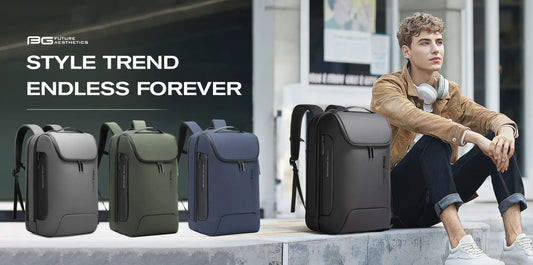
BANGE waterproof backpacks integrate all these technologies. Their travel models feature multi-layer water protection working together rather than relying on a single barrier.
Why Waterproof Backpacks Matter for Travelers
Travel demands reliability your everyday backpack never faces. Understanding why waterproofing matters transforms how you evaluate backpack options.
Protecting Electronics Worth Thousands
Modern travelers carry expensive gear: laptops ($800-2,000), smartphones ($700-1,500), cameras ($500-3,000+), external hard drives ($100-500). A single water incident destroys electronics beyond repair.
Travel delays and flight changes force your backpack into luggage compartments, cargo holds, and checked baggage. Ground crews handle bags roughly. Rain tarp coverage fails. Weather protection fails. Your waterproof backpack becomes the only thing standing between your electronics and disaster.
The protection pays for itself the first time you avoid a $1,500 laptop replacement.
Preserving Irreplaceable Travel Memories
Travel photos and videos are irreplaceable. Cloud backup helps, but cameras and memory cards contain originals that can't be recovered. Water damage to camera equipment or memory cards destroys months of travel memories permanently.
Waterproof backpacks protect not just the cost of equipment but the emotional value of captured moments.
Enabling Travel Through Diverse Climates
True travelers don't cancel plans because of weather. Monsoon seasons in Asia. Hurricane-season Caribbean trips. European winter adventures. A waterproof backpack lets you travel confidently regardless of climate conditions.
Without adequate waterproofing, weather becomes a limiting factor. With proper protection, weather becomes an afterthought.
Reducing Travel Stress and Decision Fatigue
Constant worry about moisture damage creates mental burden. Is it safe to leave the backpack outside the café? Can I walk through the rain without anxiety? Should I skip that boat tour because of spray concerns?
A genuinely waterproof backpack eliminates these concerns. You travel with confidence rather than constant vigilance.
Eliminating Expensive Protective Accessories
Most water-resistant backpacks require separate rain covers, waterproof inserts, or dry bags. These accessories add weight, bulk, and cost while creating multiple failure points. A truly waterproof backpack eliminates the need for protective layers.
You invest more upfront in a quality waterproof pack but save money avoiding protective accessories.
Types of Waterproof Backpacks for Different Travel Styles
Travel backpacks serve different purposes. Understanding which type matches your travel style ensures you choose the right waterproof solution.
Ultra-Light Waterproof Backpacks (20-35L)
These compact packs prioritize minimal weight for fast-moving travel or air travel. They're designed for carry-on luggage compliance and movement across cities.
Best for: Business travelers, digital nomads making frequent trips, backpackers moving between hostels, travelers prioritizing mobility over storage.
Key features: Fits standard carry-on dimensions, padded laptop compartment, water-resistant exterior, compact organization.
Trade-offs: Limited capacity means you're restricted to essentials. Not suitable for extended trips or outdoor expeditions.
Why waterproofing matters: Constant movement and airport handling expose compact packs to moisture. Waterproofing protects your limited storage and expensive gear.
Mid-Size Waterproof Backpacks (35-45L)
The Goldilocks zone for many travelers. These packs offer sufficient capacity for weeks of travel while remaining reasonably portable and comfortable.
Best for: Backpackers on multi-week trips, photographers carrying gear, travelers splitting time between hiking and cities, professionals who travel frequently.
Key features: Laptop compartment, expandable sections, multiple organization pockets, padded shoulder straps, waterproof construction.
Trade-offs: Larger than ideal for pure air travel but superior for mixed travel modes.
Why waterproofing matters: Mid-size packs are workhorse backpacks exposed to all weather conditions. Waterproofing ensures protection across diverse climates and situations.
Large Waterproof Expedition Backpacks (45-60L+)
Purpose-built for serious adventurers. These packs prioritize storage and durability for extended expeditions and challenging environments.
Best for: Hikers on multi-week treks, mountaineers, adventurous explorers, gap-year travelers, safari and adventure tourism.
Key features: Massive capacity, weather-resistant materials, multiple compartments, load-bearing hip belts, ventilated backs for comfort with heavy loads.
Trade-offs: Too large for casual city travel, not suitable for airplane carry-on, heavy when full.
Why waterproofing matters: Large expedition packs face harsh conditions—river crossings, mountain weather, extended exposure. Waterproofing isn't optional; it's essential.
Hybrid Travel Backpacks (Convertible Styles)
These innovative designs adapt between wheeled luggage and backpack, offering versatility for mixed-mode travel.
Best for: Business travelers combining car rental with hiking, mixed-activity vacations, families traveling with children, travelers uncertain about their exact travel style.
Key features: Convertible designs, professional aesthetics, waterproof construction, organizational versatility.
Trade-offs: Jack-of-all-trades approach means compromises in each category.
Why waterproofing matters: Convertible packs experience varied conditions. Waterproofing ensures protection regardless of travel mode
How to Evaluate Waterproof Claims
Backpack manufacturers use vague terminology to inflate waterproof claims. Learning to decode marketing language prevents disappointment.
Understand IPX Ratings
The IPX rating system measures water resistance objectively. Higher numbers indicate greater protection:
IPX3: Resists water spray from any angle. Light rain protection. Most affordable "water-resistant" backpacks.
IPX4: Resists water splashing from any direction. Better rain protection. Standard for mid-range waterproof backpacks.
IPX5: Resists water jets from any angle. Heavy rain and wet conditions. High-quality travel backpacks.
IPX6: Resists powerful water jets. Extreme weather protection. Premium travel and expedition backpacks.
IPX7: Can be submerged up to 1 meter for 30 minutes. Comprehensive waterproof protection. Specialized adventure gear.
IPX8: Designed for submersion beyond 1 meter. Specialized water sports equipment, not typical for travel backpacks.
For general travel, IPX4 provides adequate protection. IPX5 or higher offers peace of mind in challenging conditions.
Examine Seam Construction
Ask manufacturers: Are seams sealed with waterproof tape? How are stress points (strap connections, zipper bases, corners) reinforced? Can they provide photos of internal seam sealing?
High-quality brands publish this information readily. Vague manufacturers are hiding poor construction.
Test Zippers and Compartments
Run water directly along seams while watching internal compartments. Legitimate waterproof backpacks show no internal moisture after this test. Many "waterproof" options fail here.
BANGE backpacks are tested through rigorous water exposure protocols, not just marketing claims.
Research Real-World Reviews
Read reviews from travelers who used the backpack in actual challenging conditions—monsoons, saltwater spray, extended exposure. Honest reviews reveal whether protection holds during real travel versus controlled tests.
Look for reviews mentioning specific conditions: "Hiked through daily rain for a week," "Used in tropical humidity for three months," "Survived saltwater spray on ocean kayaking."
Check Warranty Terms
Companies confident in waterproof construction offer substantial warranties covering water damage. Limited warranties or exclusions for water damage indicate manufacturers don't fully trust their protection.
Key Features of Premium Waterproof Travel Backpacks
Beyond waterproofing, premium travel backpacks combine essential features supporting actual travel needs.
Organized Laptop Compartment
Your electronics need dedicated protection. Premium waterproof backpacks include padded, waterproof laptop compartments separate from the main storage. This isolation protects your most valuable and damage-vulnerable item.
Look for compartments fitting your specific laptop size with sufficient padding and secure closures preventing accidental opening.
Organized Cable Management
Modern travel requires managing multiple cables and chargers. Premium waterproof backpacks include cable organizers preventing tangling and enabling quick access. Built-in cable ports with grommets let you charge devices without fully opening the bag.
This feature transforms daily usability, especially for digital nomads and business travelers.
Anti-Theft Design Elements
Waterproof backpacks for travel often incorporate security features: hidden pockets for valuables, RFID-blocking compartments, lockable zippers, back-panel pockets keeping items against your body. These features address travel's security concerns alongside weather protection.
Quality matters more than quantity. One well-designed hi
Previous
Best Backpack for Digital Nomads: The Complete Guide to Choosing Your Perfect Mobile Office Companion
Next
Anti-Theft Backpacks: The Complete Guide to Travel Security and Protecting Your Valuables